Musky Fishing Guide Dayton Ohio - Michael Spradlin
Muskellunge Fishing in Dayton - What to Expect

Fishing Charter by Captain Michael Spradlin in May
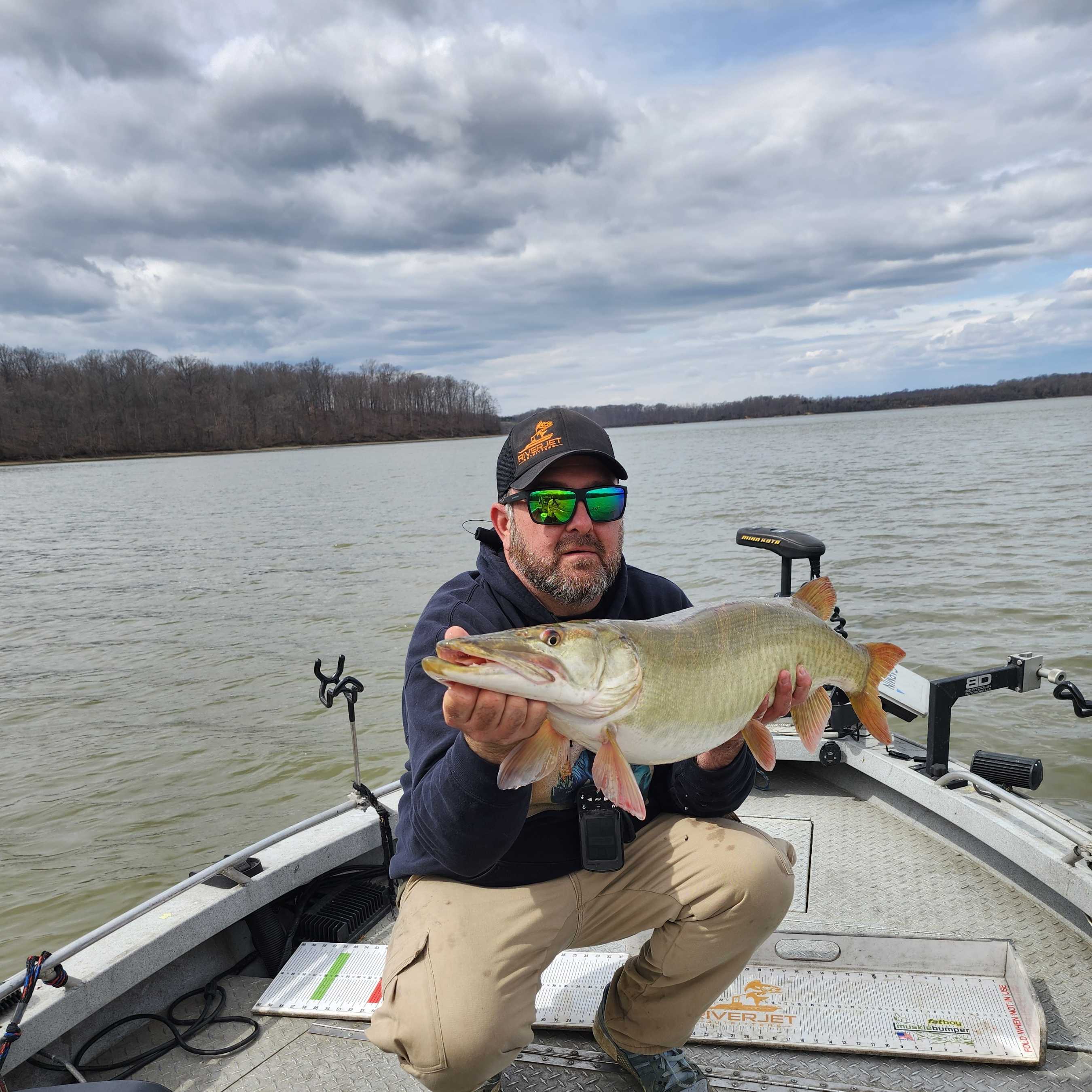
- Your Ultimate Dayton Fishing Charter Awaits


Summary
Join Captain Michael Spradlin of River Jet Outfitters on a Wednesday in May for a muskellunge fishing charter in Dayton, Ohio. This guided fishing adventure targets one of freshwater's most challenging and rewarding species in local waters, delivering an unforgettable day for anglers seeking trophy-class fish.
Fishing Charter with Michael Spradlin - Rates & Booking
Captain Michael Spradlin of River Jet Outfitters guided a fishing charter on Wednesday, May in Dayton, Ohio waters. This muskellunge-focused charter brings together expert local knowledge and hands-on angling for anglers targeting one of the most elusive freshwater species. The experience includes guidance from a seasoned captain familiar with Dayton's productive musky habitat and proven techniques for locating and hooking these powerful fish.
For booking your own muskellunge charter with Captain Spradlin, contact River Jet Outfitters directly to discuss trip dates, group composition, and any specific gear preferences. Charter experiences are customized based on water conditions and your angling goals. Reserve your spot to experience trophy-class fishing in Ohio waters.
Highlights of This Musky Fishing Adventure
Muskellunge fishing in Dayton waters offers anglers the rare combination of accessible trophy habitat and legitimate chances at aggressive strikes. The day captured here showcases exactly why musky fishing attracts dedicated anglers - the payoff when these massive predators commit to your presentation is unforgettable. Working with Captain Spradlin means tapping into years of local water knowledge and understanding where muskies congregate throughout seasonal cycles.
The presence of two anglers on this charter reflects the social and competitive energy that makes musky fishing special. The camaraderie of fishing together for such a challenging species, combined with the genuine excitement of a successful catch, creates memories that stick long after the trip ends.
Local Species Insights: Muskellunge in Dayton Waters
Muskellunge represent the pinnacle of freshwater predators - large, aggressive, and notoriously selective. These fish occupy the top of the aquatic food chain and have earned a reputation as one of the most difficult species to catch consistently. Muskies grow to impressive sizes in Ohio waters, with large specimens exceeding 50 inches, and they're built entirely for power and predatory efficiency.
Dayton's waters provide legitimate musky habitat characterized by structure, depth transitions, and abundant forage fish. Muskies in this region relate heavily to rocky points, weed lines, and depth changes where they ambush prey. The species exhibits behavior patterns that reward patient, methodical fishing - multiple casts to the same area, varied retrieves, and willingness to work all day for potential opportunities.
What makes musky fishing rewarding isn't just the size of the fish, but the active pursuit itself. You're not passively waiting; you're constantly experimenting with lures, casting to likely structure, and reading water features. When a musky does strike, it's explosive and unmistakable - a genuine battle that tests both skill and equipment. The species demands respect and rewards dedication, which explains why anglers return to Dayton waters year after year for another shot at these incredible fish.
Successful musky fishing requires understanding seasonal movements, water temperature, and feeding windows. Spring periods often see increased musky activity as water warms and fish transition through their habitat. Local guides like Captain Spradlin track these patterns closely, positioning anglers in zones where encounters are most likely. Even with perfect conditions and expert guidance, catching a musky remains a genuine accomplishment - a testament to both the difficulty of the quarry and the angler's commitment.
Fishing in Ohio: Muskellunge
Muskellunge Overview
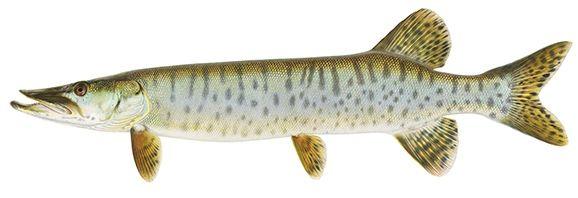
The Muskellunge (Esox Masquinongy), commonly called Muskie, is the crown jewel of North American freshwater fishing and the largest member of the Esocidae family within the order Esociformes. This apex predator commands respect among anglers worldwide, earning its reputation as a trophy fish that demands skill, patience, and the right equipment. What makes the Muskellunge so special is its combination of impressive size, aggressive feeding behavior, and the incredible fighting power it displays when hooked. Found primarily in cool, northern freshwater lakes and rivers, this species has become synonymous with serious angling adventure. Whether you're chasing trophy fish in Minnesota or exploring remote northern waters, the Muskellunge represents the ultimate freshwater challenge.
Unlike its close relative the Northern Pike, the Muskellunge possesses several distinctive characteristics that set it apart. The most obvious difference is the deeply forked tail fin, which contrasts sharply with the Pike's shallower fork. Additionally, Muskellunges display striking vertical tiger-like stripes or bars across their bodies, whereas Northern Pike are covered in irregular spots or mottling. Beneath the jaw, you'll find 6 to 9 pores on a Muskellunge compared to fewer pores on a Pike. These differences, while subtle to the untrained eye, become crystal clear once you've encountered both species.
Muskellunge Habitat and Distribution
Muskellunges thrive in the cool, oxygen-rich waters of northern North America, with populations concentrated in the Great Lakes region, parts of Canada, and select reservoirs throughout the northern United States. These fish are native to specific waters and have become symbols of regional fishing heritage—Wisconsin even designated the Muskellunge as its official state fish, a testament to the species' cultural significance.
In their natural environment, Muskellunges favor habitats with distinct structural features. You'll typically find them lurking near weedy edges where submerged vegetation provides cover and ambush opportunities. Rocky shoals and underwater reef structures are prime Muskie territory, offering shelter and ideal hunting grounds. Shallow waters near shorelines, particularly areas with sunlight penetration, attract these fish—they genuinely love basking in the sun when not actively hunting. Look for drop-offs, channel ledges, and areas where water depth transitions from shallow to deep; Muskellunges position themselves strategically at these boundaries to intercept passing prey.
The distribution of Muskellunges is highly specific and localized. While they inhabit Minnesota waters extensively, not every lake in the state holds populations. Research is essential before planning a trip; local fishing reports and DNR databases will pinpoint which specific lakes and reservoirs maintain healthy Muskie populations. This specificity actually adds to the appeal—finding and catching a Muskellunge feels like unlocking a secret that few anglers ever experience.
Muskellunge Size and Weight
The Muskellunge's impressive dimensions are part of what makes this species so captivating to anglers. On average, these fish reach lengths of 24 to 48 inches (2 to 4 feet) and weigh between 15 to 36 pounds. However, these are merely the typical range—what makes Muskellunges legendary is their potential for extraordinary growth.
Trophy-class Muskellunges can reach absolutely staggering proportions. Maximum recorded specimens exceed 72 inches (6 feet) in length and tip the scales at 70 pounds or more. Imagine battling a fish as long as a tall human, with the strength to match its size. The sheer power and mass of a trophy Muskie explains why anglers pursue them with almost religious devotion. A single catch can become a lifetime memory and a story told for decades.
Growth rates vary considerably depending on environmental conditions, food availability, and lake characteristics. Northern populations tend to grow more slowly but live longer, while southern populations may reach impressive sizes more quickly. Regardless of location, Muskellunges rank among the fastest-growing North American freshwater fish, particularly when abundant prey is available.
Muskellunge Diet and Behavior
Muskellunges are apex predators with a fearsome feeding strategy that defines their species. These fish are ambush hunters extraordinaire, positioned perfectly by their body structure for explosive acceleration and sudden strikes. When a suitable prey item ventures within striking distance, a Muskie launches forward with devastating speed and precision.
The Muskellunge's feeding behavior is particularly brutal and efficient. These fish are known as decapitators—they literally snap the heads off prey items and swallow them headfirst. Their needle-like teeth are arranged perfectly to grip and puncture, leaving no escape once jaws clamp down. The feeding strategy is designed for maximum energy efficiency: strike hard, consume quickly, return to ambush position.
Dietary preferences broaden as Muskellunges grow. Smaller juveniles consume insects, small fish, and aquatic invertebrates. As they mature, their prey escalates dramatically. Adult Muskellunges hunt fish species, including other pike and gamefish. They'll consume crayfish, frogs, small mammals like mice and rats, and occasionally waterfowl including ducks and muskrats. Essentially, if it fits in their mouth and moves, a hungry Muskie will consider it potential food.
Behaviorally, Muskellunges are creatures of explosive energy punctuated by long periods of stillness. They position themselves in ambush zones and wait, conserving energy until prey appears. Once triggered, their response is immediate and violent. Between feeding events, Muskellunges rest, often in deeper, cooler water. This feast-and-fast lifestyle means they can go extended periods without eating, a characteristic that influences angling success rates and fishing pressure effects.
Muskellunge Spawning or Seasonal Activity
Muskellunges exhibit pronounced seasonal behavior patterns that directly impact angling opportunities and fishing success rates. Understanding these seasonal dynamics is crucial for anyone serious about pursuing this species.
Summer months, particularly mid to late summer, represent prime hunting season for Muskellunges. As water temperatures warm and metabolism increases, these fish become more active and aggressive. They feed more frequently and respond readily to artificial lures and presentations. This increased activity makes summer an excellent time for dedicated anglers willing to put in the effort.
Autumn represents the absolute best season for Muskellunge fishing. As water temperatures begin cooling from summer highs, Muskellunges undergo a feeding frenzy in preparation for winter. They become noticeably more active, more aggressive toward lures, and more likely to strike. Fall also brings improved water clarity in many lakes, enhancing visibility and strike likelihood. Autumn Muskie fishing combines the species' highest activity levels with favorable environmental conditions.
Winter presents challenges as water temperatures plummet. Muskellunges become less active and more sluggish, reducing feeding frequency and strike rates. Many anglers take a break during winter months, though through-ice fishing opportunities exist in frozen northern lakes. Spring spawning typically occurs in shallower, weed-filled areas as water temperatures climb toward the 50s Fahrenheit. Post-spawn fish are typically catchable but may be scattered as they disperse from spawning zones.
Muskellunge Techniques for Observation or Capture
Technique 1: Large Artificial Lure Trolling with Crankbaits
The foundation of modern Muskie fishing relies on large, high-action artificial lures that create substantial underwater disturbance and visual appeal. Crankbaits that wobble aggressively are the go-to choice for most Muskie anglers. These lures should be substantial in size—think baits that mimic sizable fish or small prey items that would catch a Muskellunge's attention. The wobbling action triggers predatory instincts and provokes strikes from territorial or hungry fish.
Trolling technique involves positioning your boat over productive areas—particularly weedy edges and rocky shoals where Muskellunges ambush prey—while maintaining steady forward movement at speeds between 4-8 miles per hour. Lower your crankbaits to depths where structure exists and where you suspect Muskellunges are positioned. The combination of trolling speed and lure wobble creates an irresistible trigger. Weedy areas and underwater reefs are known Muskie hideouts; focus your efforts on these locations. Drifting with large lures also covers substantial water, increasing your chances of encountering feeding fish.
Technique 2: Casting Large Lures in Shallow Structural Areas
For more active, targeted fishing, casting large artificial lures to specific structural features yields excellent results. Target weed lines, rocky outcrops, drop-offs, and shallower areas where Muskellunges often position for sunbathing and hunting. Cast large swimbaits, topwater plugs, and pike-style lures beyond the structure, then retrieve through the strike zone with deliberate, attention-grabbing action. Muskellunges respond to erratic, sudden movements that simulate injured prey. Vary retrieval speeds and patterns until you trigger aggressive strikes.
Technique 3: Live Bait Presentation and Passive Fishing
Some anglers prefer the traditional approach of live bait fishing for Muskellunges. Large live baitfish, including pike, suckers, and other substantial forage species, are suspended near known Muskie habitat. This passive approach allows fish to take the bait at their leisure while you monitor the rod. Though less active than lure casting, live bait fishing can be highly productive when baitfish are fresh and positioned correctly.
Critical Equipment Consideration: Use a 50-pound test line minimum—Muskellunges possess tremendous jaw strength and can easily snap lighter monofilament. Their needle-like teeth can abraze and fray line, so consider reinforced leaders or wire attachments. Most importantly, use barbless or minimal-barb hooks. These fish thrash violently during the fight, and barbed hooks become nightmarish to remove from their tooth-filled mouths and tough tissues.
Local Tip: Around northern lakes and river systems, early morning and late evening hours produce the most consistent action, particularly during late summer and autumn months. Scout your intended fishing area beforehand to identify key structural features where Muskellunges concentrate. Local tackle shops often have current intel on where fish are being caught—don't hesitate to ask.
Muskellunge Culinary or Utilization Notes
From a culinary perspective, Muskellunges carry a poor odds rating for food quality. While technically edible, Muskellunges are rarely pursued for consumption, and for good reasons. The flesh tends to be coarse-textured and strongly flavored, with a muddy or unpalatable taste in many specimens. Additionally, size and rarity make them poor candidates for harvesting.
The true value of a Muskellunge lies in the fishing experience, not the dinner table. These fish are universally recognized as trophy species—they're caught for the challenge, the fight, the accomplishment, and the story. Many jurisdictions protect Muskellunges through strict catch-and-release regulations or harvest limitations, recognizing their value to recreational fisheries and regional economies. Catch-and-release practices allow future anglers to experience the thrill of hooking into these magnificent predators.
From a conservation standpoint, Muskellunges are managed carefully because they're often non-native or invasive in certain waters. In Maine, for instance, Muskellunges are actively culled because they harm local ecosystems, disrupting native fish populations and ecological balance. Conversely, in regions where they're native and managed for recreational fishing, Muskellunges provide enormous economic and cultural value through guided fishing operations, tackle sales, and tourism.
Muskellunge Frequently Asked Questions
Q: What is the best bait or lure for catching a Muskellunge?
A: Large crankbaits that wobble aggressively are the top choice for artificial lure fishing. These should be substantial in size and create significant underwater disturbance. Swimbaits, topwater plugs, and large pike-style lures also produce excellent results. If using live bait, choose large forage fish like pike, suckers, or shiners. The key principle: bigger baits attract bigger fish and reduce unwanted smaller species strikes. Avoid barbed hooks—use barbless or minimal-barb designs for easier hook removal from these needle-toothed predators.
Q: Where can I find Muskellunges near major fishing destinations?
A: Muskellunges are highly location-specific. Wisconsin, Minnesota, and the Great Lakes region hold excellent populations. Research your specific intended fishing area through state DNR websites and local fishing reports—not every lake holds Muskellunges. Focus on lakes and reservoirs known for established populations. Look for structural features like weedy edges, rocky shoals, and shallow areas with deeper drop-offs nearby. Local tackle shops in fishing communities can provide invaluable current information about where fish are being caught.
Q: Is the Muskellunge good to eat?
A: Muskellunges are rarely kept for consumption and carry a poor food quality rating. The flesh is coarse-textured and often carries an undesirable muddy flavor. Most modern Muskie fishing follows strict catch-and-release practices, particularly in areas where the species is native and managed for recreational value. The true reward of catching a Muskellunge lies in the achievement and experience, not culinary value.
Q: When is the best time to catch a Muskellunge?
A: Autumn is absolutely the prime season for Muskellunge fishing. As water temperatures cool from summer highs, these fish enter a feeding frenzy preparing for winter, becoming significantly more active and aggressive. Mid to late summer also produces good results as warm water temperatures increase metabolism and feeding activity. Winter presents challenges due to sluggish behavior in cold water, though some anglers pursue through-ice fishing. Avoid early spring when fish are actively spawning and scattered.
Q: Why are Muskellunges called trophy fish?
A: Muskellunges earn trophy status through a combination of factors: their impressive size (up to 6 feet and 70+ pounds), their aggressive fighting ability when hooked, their relative rarity and difficulty to catch, and their status as apex predators without natural enemies. Successfully landing a Muskellunge represents a significant angling achievement that many dedicated fishermen pursue for years without success. The challenge and reward factor makes them the ultimate freshwater trophy.
Q: What equipment do I need to safely fish for Muskellunges?
A: Invest in heavy-duty equipment designed for Muskie fishing. Use a minimum 50-pound test line—their tremendous jaw strength can snap lighter monofilament with ease. Their needle-like teeth will fray and damage line, so consider wire leaders or reinforced attachments. Use barbless or minimal-barb hooks to facilitate easier removal from their tough, tooth-filled mouths. A heavy-action rod with substantial backbone and a quality reel with excellent drag system are essential. Proper net handling and planning for rapid, safe hook removal are critical safety considerations.